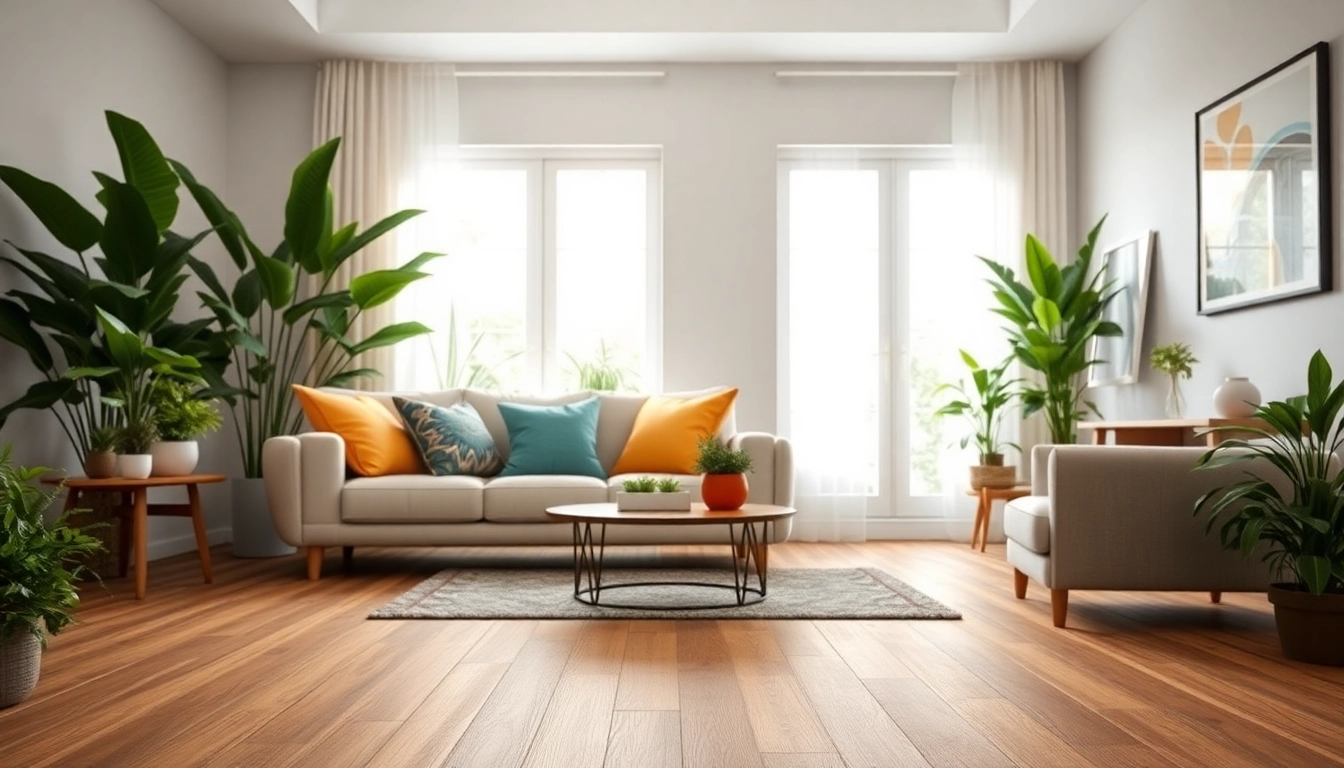
1. Introduction to Waterproof LVP Flooring
Homeowners and designers alike are increasingly turning to waterproof lvp flooring as a versatile flooring solution that meets the diverse needs of different spaces. This article dives into the numerous advantages and practical applications of this innovative flooring option, shedding light on why it has become a preferred choice in modern interior design.
1.1 What is Waterproof LVP Flooring?
Waterproof Luxury Vinyl Plank (LVP) flooring is engineered to simulate the look and feel of natural wood while offering unmatched resilience against water damage. Unlike traditional hardwood flooring, LVP is crafted from synthetic materials, typically featuring a durable core and surface layer that repels moisture. This makes it an ideal choice for spaces prone to spills or humidity, such as kitchens, bathrooms, and basements.
1.2 Benefits of Waterproof LVP Flooring
Investing in waterproof LVP flooring comes with a myriad of benefits:
- Water Resistance: Its waterproof nature allows it to withstand spills and moisture without warping or damage.
- Durability: LVP is scratch and dent-resistant, making it suitable for high-traffic areas.
- Comfort: It’s softer underfoot compared to tile, providing a comfortable walking experience.
- Easy Maintenance: Simple cleaning routines can keep LVP looking new for years.
- Cost-Effectiveness: Typically priced lower than hardwood, LVP offers an affordable aesthetic choice.
1.3 Common Uses and Applications
Waterproof LVP flooring is utilized in various settings:
- Residential Homes: Ideal for dining rooms, living areas, and bathrooms.
- Commercial Spaces: Perfect for retail stores, restaurants, and offices.
- Healthcare Facilities: Useful in hospitals and clinics where hygiene and durability are paramount.
- Educational Institutions: Schools and daycare centers benefit from its ease of maintenance and safety.
2. Why Choose Waterproof LVP Flooring?
2.1 Durability and Resilience
Waterproof LVP flooring is engineered to endure daily wear and tear. Its multi-layer construction includes a strong wear layer that protects against scratches and dents. The durability of this flooring makes it suitable for both residential and commercial environments, where foot traffic can be significant. Additionally, it often comes with warranties that highlight its longevity, typically ranging from 15 to 30 years, affirming its quality.
2.2 Aesthetic Flexibility
Available in a wide array of designs, colors, and textures, waterproof LVP flooring mimics natural materials beautifully. Options range from rustic wood grains to sleek stone finishes, allowing homeowners to curate unique interior styles. Whether one is aiming for a cozy, traditional look or a modern, minimalist aesthetic, LVP can complement any decor.
2.3 Cost-Effectiveness of Waterproof LVP Flooring
When considering budget constraints, waterproof LVP flooring stands out as a cost-effective solution. The initial investment is typically lower than that of hardwood or ceramic tile, and its longevity minimizes the need for frequent replacements. Furthermore, savings on installation and maintenance often result in a lower total cost of ownership, making LVP a smart financial choice for both homeowners and businesses.
3. Installation Tips for Waterproof LVP Flooring
3.1 Preparing the Subfloor
The success of LVP installation begins with a well-prepared subfloor. Before laying the planks, ensure the area is clean, dry, and level. Any bumps or imperfections can affect the appearance and performance of the flooring. Performing moisture tests on concrete subfloors can also prevent future issues related to moisture damage.
3.2 Tools Required for Installation
Equipping yourself with the right tools can simplify the installation process. Essential tools include:
- Measuring tape
- Utility knife for cutting planks
- Carpenter’s square for checking angles
- Spacers for maintaining gaps around walls
- Flooring roller if using glue-down installation
- Safety goggles and knee pads for comfort
3.3 Step-by-Step Installation Guide
Installing waterproof LVP flooring can be achieved using a floating, glue-down, or click-lock method. Here’s a brief guide to the click-lock installation method:
- Acclimation: Allow the planks to acclimate to the room temperature and humidity for 48 hours.
- Layout Planning: Plan your layout by dry-laying a few rows to visualize how the planks fit together.
- Start Installation: Begin from one corner, placing spacers against the walls to allow for expansion.
- Click the Planks Together: Insert the tongue of one plank into the groove of the previous plank and press down until it clicks into place.
- Complete Installation: Continue laying the planks row by row, ensuring staggered seams for a natural appearance.
- Finish the Edges: Remove spacers and install baseboards or quarter round to cover expansion gaps.
4. Maintenance and Care for Waterproof LVP Flooring
4.1 Regular Cleaning Tips
To maintain the beauty and functionality of waterproof LVP flooring, regular cleaning is essential. Use a soft broom or vacuum with a floor attachment to remove dirt and debris. For deeper cleaning, a damp mop with a manufacturer-recommended cleaner is ideal. Avoid using harsh chemicals or abrasive pads, as these can damage the finish.
4.2 Dealing with Scratches and Damage
Minor scratches on LVP can often be remedied by using scratch repair kits available at hardware stores. These kits usually contain colored wax or markers designed to match various flooring colors. For more significant damage, consider replacing the individual plank and following the manufacturer’s instructions.
4.3 Best Practices for Longevity
To extend the lifespan of waterproof LVP flooring:
- Place mats at entryways to trap dirt and moisture.
- Use felt pads under furniture legs to prevent scratches.
- Maintain a consistent indoor temperature to prevent expansion or contraction.
- Periodically inspect for loose planks or seams and address issues promptly.
5. Frequently Asked Questions
5.1 How Water Resistant is Waterproof LVP Flooring?
Waterproof LVP flooring can resist spills, humidity, and moisture, ensuring it remains undamaged in wet conditions. However, prolonged exposure to standing water should be avoided.
5.2 Can I Install Waterproof LVP Flooring in My Bathroom?
Yes, waterproof LVP flooring is an excellent choice for bathrooms due to its resistance to moisture and ease of cleaning, making it well-suited for high-humidity environments.
5.3 What is the Lifespan of Waterproof LVP Flooring?
The lifespan of waterproof LVP flooring typically ranges from 15 to 30 years, depending on the quality of the product and how well it is maintained over time.
5.4 Is Waterproof LVP Flooring Eco-Friendly?
Many types of waterproof LVP flooring are made from recycled materials and can be recycled at the end of their life. However, it’s important to choose products that are certified for low VOC emissions for better indoor air quality.
5.5 How Do I Choose the Right Style for My Space?
Consider your existing decor, the size of the room, and the amount of natural light. Lighter colors can make a space feel larger, while darker tones add warmth and coziness, ultimately aligning your choice with the mood you wish to create.